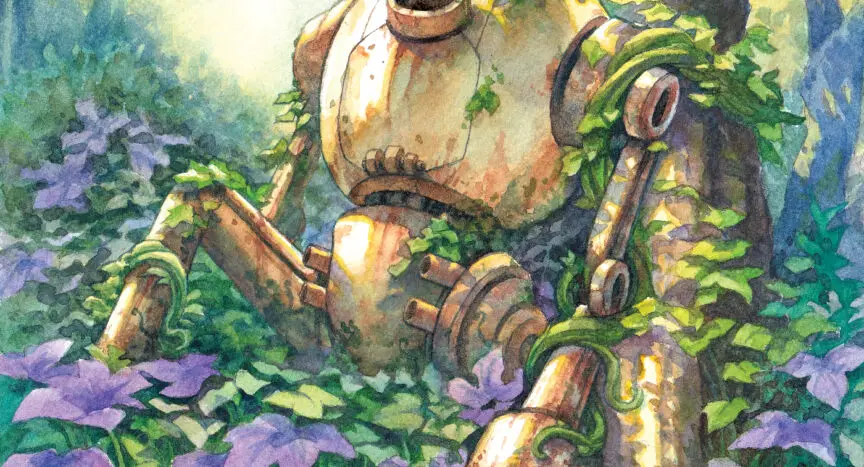
Christian Ward sits down with Wicked Horror for an interview about his upcoming work The Forever Home!
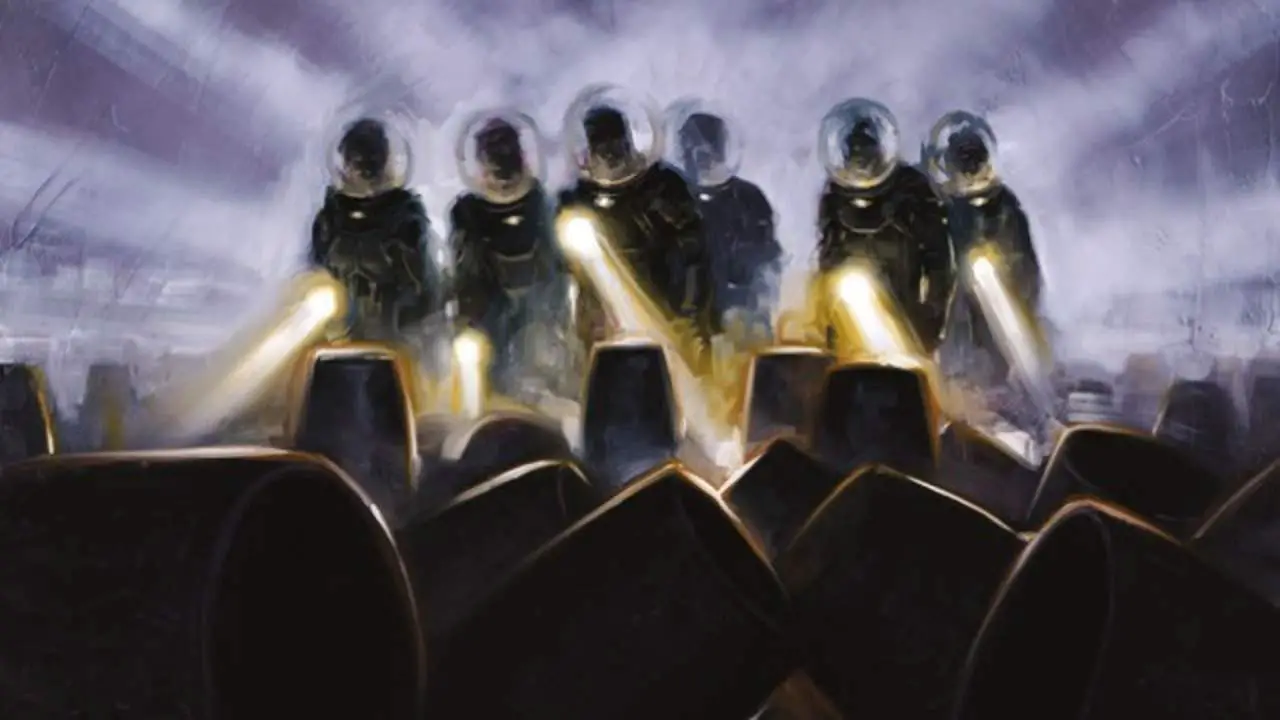
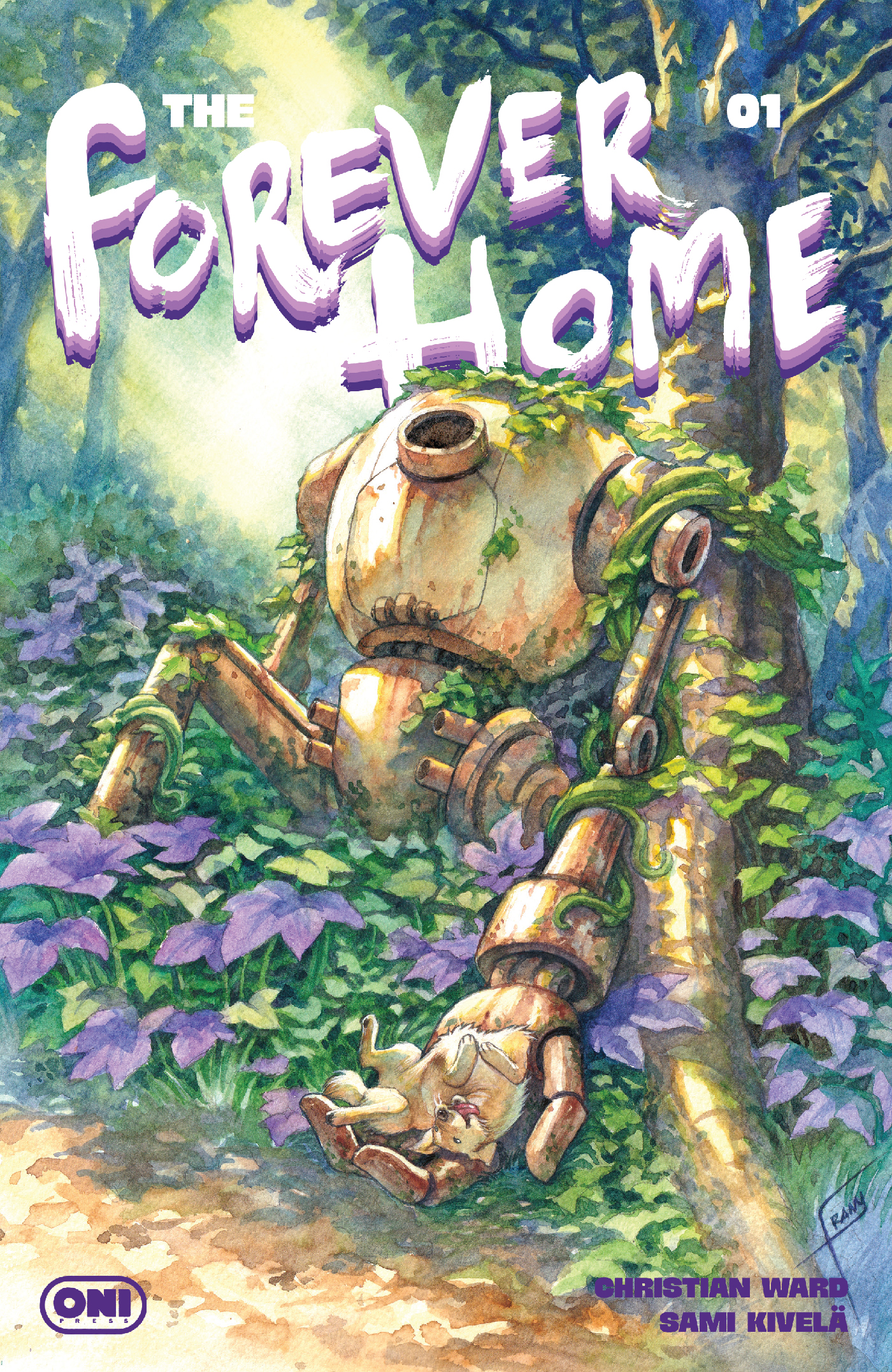
The upcoming six-issue comic book miniseries The Forever Home is being called one of the best comics of the year. It’s penned by Christian Ward (Event Horizon: Dark Descent) with art by Sami Kivelä (Abbott). The series serves up a science fiction tale with themes reflecting our times. It debuts in September from Oni Press. Multiple cover variants will be available.
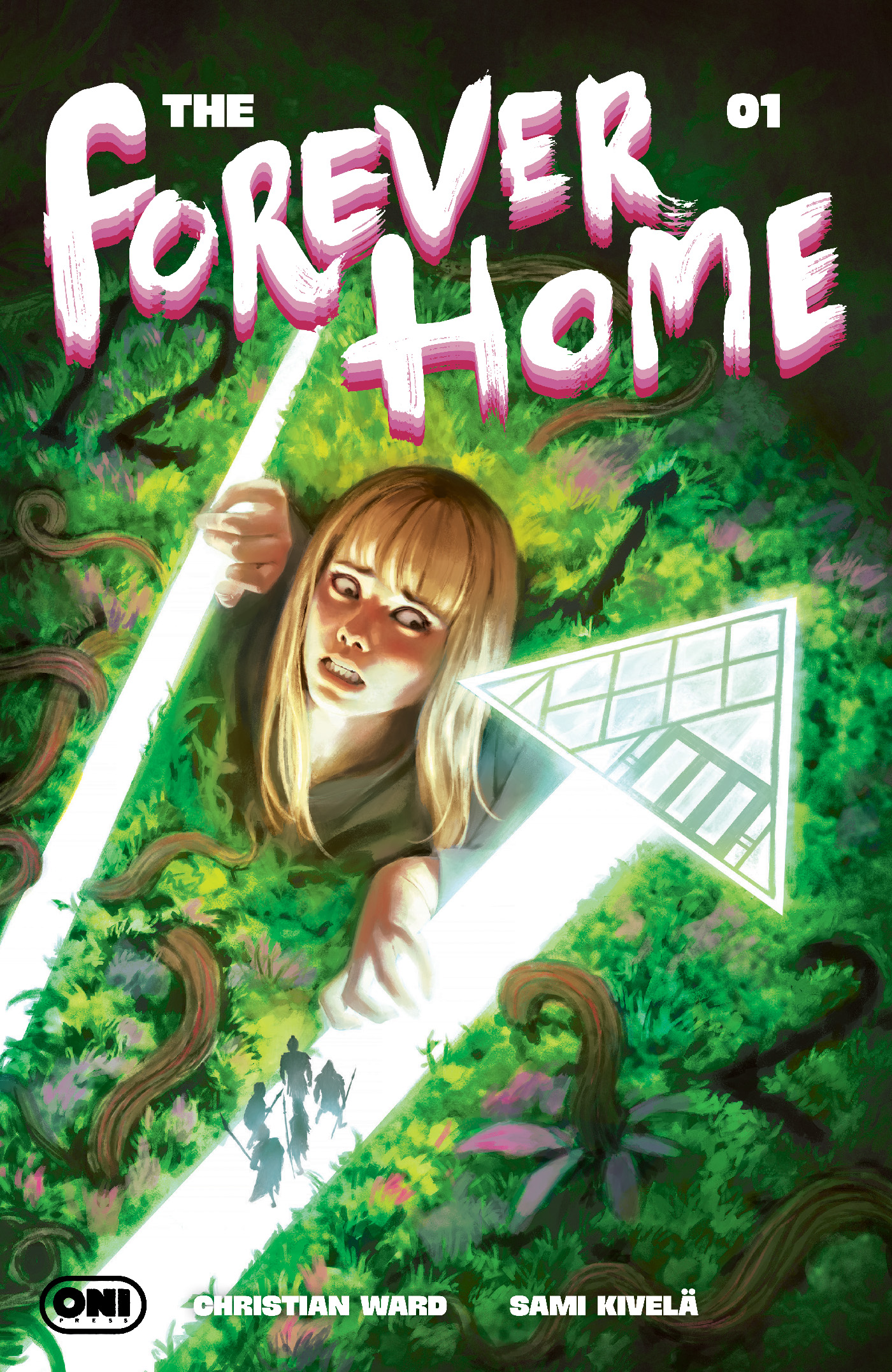

The home’s “insulated from the agony of the planet’s death throes outside its walls . . . and even time itself.”
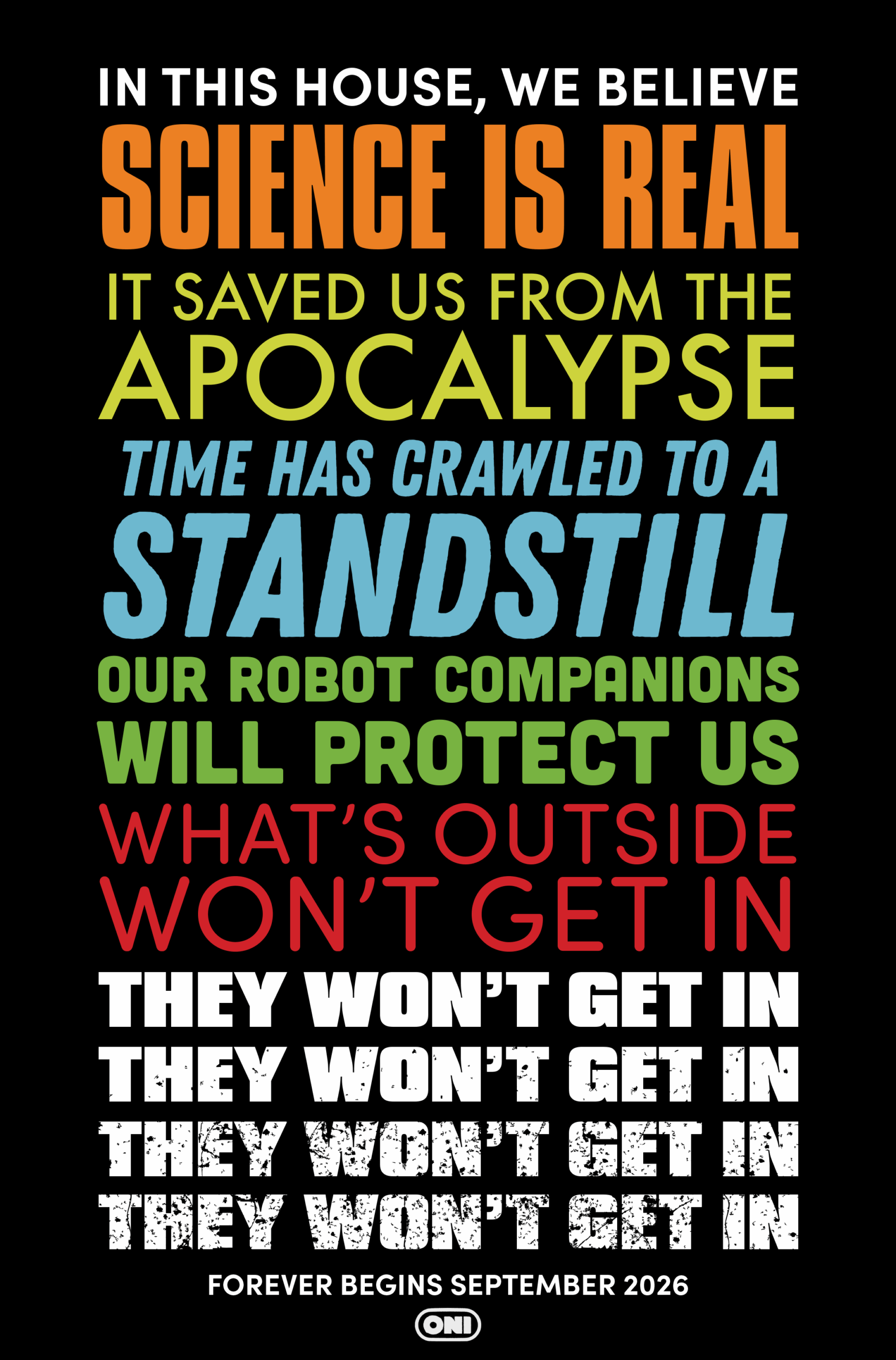
In the house, only twenty minutes pass for every year on the outside.That allows the D’mour family to slowly enact their plans for a new world as their automated environment and robotic companions keep them safe. Safe on the inside. Always inside.
Of course things go awry.
Christian Ward
Ward, the creator, is a multi-Eisner winning comic book creator. In addition to Event Horizon, he recently wrote the critically acclaimed Two Face series for DC comics.
As an artist he is perhaps best known for Batman: City of Madness (which he also wrote), Spectregraph (written by James Tynion), and the cosmic space opera Invisible Kingdom (co-created with G. Willow Wilson).
He is also a prolific cover artist for DC Comics, BOOM, Image Comic and others. Ward lives in Shrewsbury with his two daughters, his wife Catherine, and a pug named Thor.
Wicked Horror tossed Christian a few questions about Issue No 1 of the new comic.
WH: The concept of The Forever Home really is kind of mind blowing and definitely offers up it’s own unique world. There have been comparisons noting ripples of Ray Bradbury. It does have hints of tales such as “There Will Come Soft Rains” and really “A Sound of Thunder.” Was Bradbury a direct influence?
Christian Ward: Not at all. I’ve never read any Bradbury, though my wife Catherine has recommended I read him multiple times saying that I’d resonate with him. We obviously tap similar veins. Though I haven’t read any Bradbury, it’s not lost on me what a compliment it is to be compared to him.
WH: Not that this is quite a time travel story, but were you a fan of other time travel stories?
Christian Ward: Oh absolutely. I was the perfect age when Back to the Future released, so it’s been a sub-genre I’ve always dug. One of my favorite time travel movies is Primer (though I’d be remiss not to note there have been a number of serious allegations made against the writer director Shane Caruth) which in my mind is one of the best realistic takes on time travel both within how the science works and how the characters react and respond. That was an approach I absolutely wanted in Forever Home. Especially when it came to how the characters react and respond. Far-fetched science fiction is believable when the characters are also believable.
WH: Tommy seems to be the main character and narrator here. What went into shaping him as a curious child in the house of a brilliant father?
Christian Ward: “Tommy seems to be the main character.” Haha. I couldn’t possibly comment on whether that’s true or not at this juncture, but what I can say, expanding on my previous answer, is that it was important that the family dynamic in the house felt genuine. I have a family of young children myself and so I definitely leaned on our daily experiences to enrich the characters. Likewise my own experiences growing up. And though I’m not a brilliant scientist, I do unfortunately have a temper, and so there is certainly a little of me in Henry.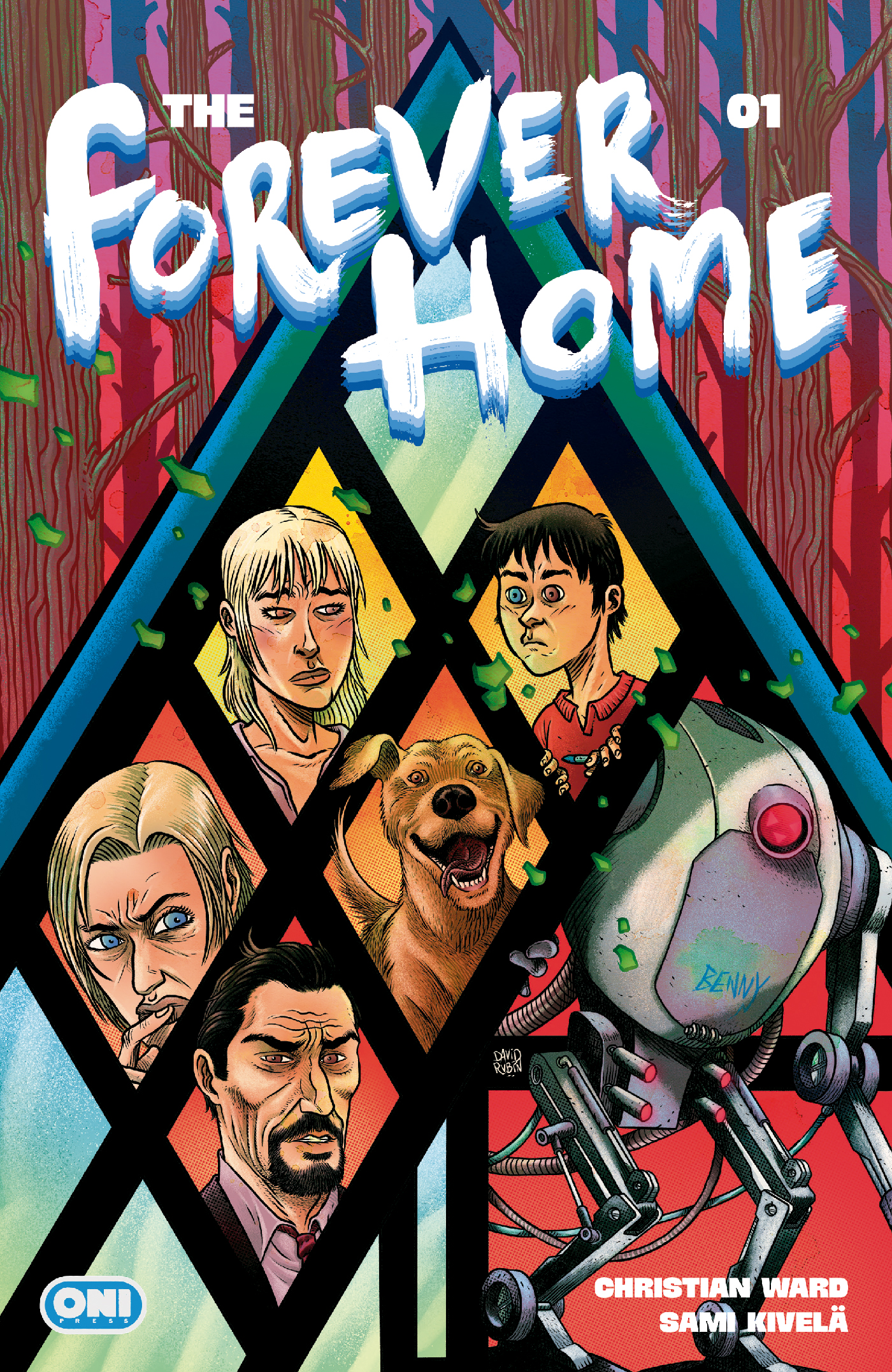
WH: Tell us about the world building and the time paradox. Did you do a lot of research to shape that situation?
Christian Ward: Not at all. Forever Home is very much a response to our world. To the real world. And especially where we’re heading. Much of the research was based upon that. Exploring the science of climate change, going down internet rabbit holes regarding billionaire bunkers, and looking into how countries are more and frequently turning to nationalism and growing fearful of immigration. We live in a world that is rapidly trying to pull up its drawbridges whilst also turning a blind eye to the situation we are all now stuck in.
WH: You serve up a massive cliffhanger at the end of the first issue. When did you see that coming? Was it a natural outgrowth of the concept, or did you start with that notion early and build to it?
Christian Ward: The cliffhanger WAS the initial idea! I think the secret of a great first issue and in turn comic is allowing readers to think they know where the story is going and then you take a sudden left turn and suddenly readers are surprised and more importantly engaged. With this in mind, a comic’s issue 2 is where you really start telling the story you set out to tell.
WH: Sami Kivelä delivers some bold and really stunning images in the first issue. We see some large spreads, some interesting compositions and even some traditional three-on-three-on three panels. What was your first impression as you saw the images take shape.
Christian Ward: I think Sami is one of the most underrated artists working today. He’s an artist every comic reader should know. So, to answer your question, I was thrilled but unsurprised. I wrote this book for Sami and he didn’t disappoint.
WH: Can you give readers a hint of what’s ahead in the story without spoiling too much?
Christian Ward: Family tensions, robots and future terrors.