Mockbuster delves deep into the misery of making an Asylum ripoff
Mockbuster is a documentary I’ve wanted to see for a long time. Even if you’ve never heard the name The Asylum before, you’ve undoubtedly encountered their movies at some point. While they’re probably best known for the Sharknado franchise, they’ve been pumping out egregious ripoffs of big budget Hollywood productions for the better part of three decades now. As in, movies with titles like Transmorphers, Top Gunner, Snakes on a Train and Methgator.
The movies, oddly enough, aren’t parodies. They’re usually fairly straight, no budget action movies with god awful computer effects, terrible acting and maybe a cameo or two by a former sitcom star who has really fallen on hard times. They really are the Dollar General imitations of Hollywood A-products; and since they’ve been going strong for nearly 30 years now, you have to assume the formula is working.
Mockbuster, which hit VOD on July 10, 2026, is *technically* about The Asylum — a California based company that looks like it’s run out of the same kind of office space where telemarketer scammers tend to operate — but it’s not really about The Asylum. It’s not a people’s history of the studio and a look at their admittedly minimal impact on American pop culture. Rather, it’s a documentary about the trials and tribulations of making an Asylum movie … and I get the feeling that every independent and/or aspiring filmmaker who watches it is going to relate to it, whether or not they want to.
The movie focuses on a young Australian filmmaker who literally cold emails The Asylum and asks them if he can direct one of their projects. Amazingly, the say yes and before you know it, he’s tasked with filming The Land That Time Forgot on a hectic six-day shoot, with a budget so microscopic it barely covers the expenses of the boom mics.
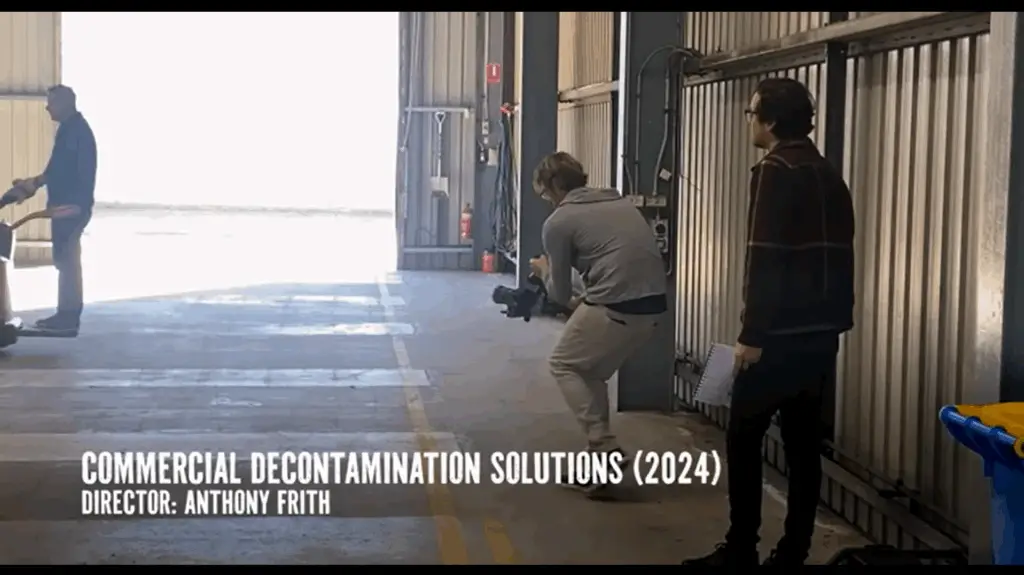

The director of that movie is also the director of the documentary — a guy named Anthony Frith. He’s sort of an everyman type that’s facing an existential dilemma that we all go through at one point or another. He’s got a wife, he’s got a kid, he’s got an unfulfilling job he hates and he feels the window of opportunity to pursue his dreams is just about to close shut forever. The Asylum job is easily the biggest opportunity of his lifetime and he’s pretty much set up to fail spectacularly from the outset. It’s a nightmare of ineptitude … and a fascinating glimpse at a man who hopes against hope to succeed in a totally unwinnable predicament. If you liked American Movie or Don Quixote, you’ll definitely feel right at home here.
There have been plenty of movies made about disastrous shoots. Hearts of Darkness famously charted the hellish production of Apocalypse Now while Burden of Dreams chronicled the making of Werner Herzog’s ambitious-to-the-point-of-being-almost-impossible-to-film historical epic Fitzcarraldo. The budgets and stakes may be significantly lower for The Land The Time Forgot, but you can sense the same sort of exasperation on Frith’s part. Everything is riding on this movie and from the outset you know he’s going to come up short. It’s just a question of how much victory he can find in an unavoidable defeat.
One thing is unmistakably clear after watching Mockbuster — working for The Asylum is absolute torture. Scripts keep changing, resources keep diminishing and the timetables and schedules all stay the same. At times, it seems like the company is trying to make Frith’s film as confusing and bloated as possible. They order reshoots that have nothing to do with the rest of the movie, they can’t get the post-production CGI effects down and they pretty much strip Frith of all oversight power. He’s not so much the director of the film as he is its scapegoat — despite the company’s ridiculous meddling, they know Frith is the one that will catch all the flak for the finished film being such a confusing piece of crap.
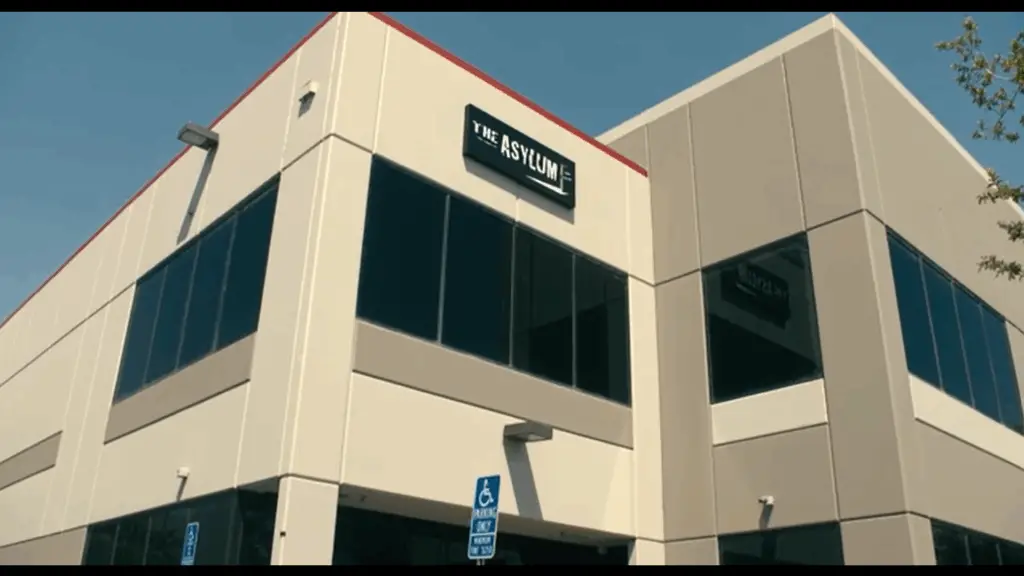
The “executives” at The Asylum don’t come off very well in this documentary at all. At one point, a company rep pretty much admits that they make movies simply for the profit motive with no intentions of creating genuine art at all. It’s a damning admission that shows just how different The Asylum is from something like Troma or any number of Roger Corman-associated companies. Yes, the latter two may have made some very cheap and exploitative movies, but at least they gave directors some leeway to make the kinds of movies they wanted to make (and make movies about fairly important social topics, to boot.) The Asylum, however, comes off as a sausage factory — this mechanical, artless machine that spits out generic rubbish en masse. Again, this is something company representatives themselves acknowledge on camera. You can fault them for a lot of things there, but the one thing you can’t fault them for is their honesty.
There’s a bit of tragedy to Mockbuster. Frith knows that The Asylum doesn’t want him to make a good movie and that they’re actively working against him throughout the entire shoot. Naively, Frith convinces himself that he can still make something worthwhile and meaningful to him within the cogs of The Asylum process. You definitely want to root for the guy, but at the same time you kind of feel sorry for him — watching genuinely likable people have their dreams dashed in real time is a total bummer.
Yet at the end of the day, there is something approaching a semblance of triumph. Mockbuster, the documentary Frith made about his own movie, is obviously better and more entertaining than anything The Aslyum has ever produced (and probably ever will produce, for that matter.) The mere fact that he even got the film finished at all is a small miracle and evidence that the guy has what it takes to be a real low-budget filmmaker. And you just get the sense that Frith is destined to move on to bigger and better things … I mean, really, how could he not?
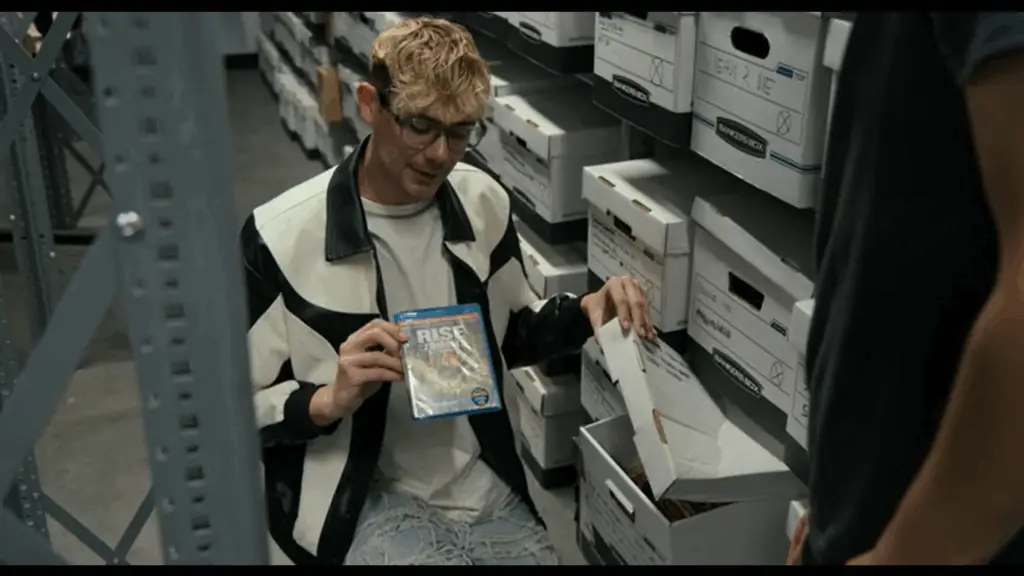
Mockbuster may not be a “traditional” horror movie, but it’s nonetheless the story of every independent horror filmmaker. The stress, the unrealistic demands, the endless compromises, the shortcuts, having to make do with less than the minimum — I get the feeling a lot of genre filmmakers can relate to Frith’s plight.
This is a movie for anybody who’s wanted to chase a dream, just to say they tried. It’s funny, it’s frustrating and at times, it’s genuinely moving. Maybe calling it inspirational is a bit too much, but after watching it, I felt a little better about the world around me. Needless to say, we need as many movies like that as we can get nowadays.