Guest writer Kara Gray Ramirez digs deep into the “incel horror” dynamics of Obsession and Don’t Worry Darling
The year 2026 has brought the “incel” trope to the center of the stage in horror. Obsession (directed by Curry Barker) and Backrooms (directed by Kane Pixels) have been, and still are, pulling people into theaters to see what the hype is about. Backrooms had a lot to say about the male ego, and has been well-received by audiences. Obsession stuck with me in a different kind of way for a million different reasons. It is difficult to think of another horror film in recent years whose true meaning has been so recurrently discussed. Barker makes this film so well-layered, it is a different experience upon each viewing.
The term “incel” (short for involuntary celibate), was coined in the late 90’s by a college student who wrote about their shyness and sadness in the dating world. Interestingly enough, the curator of the word “incel” is a female. Incel is geared more attention around the controversial political climate of the late 2010’s, as the group started to gravitate towards the lonely male population. Online forums such as Reddit became a popular place for men who considered themselves an incel to angrily blame women for their shortcomings. It feels vindicating to these incel men to say it is not their fault women are dominating the world and have unrealistic expectations of men, instead of raising the bar for themselves and becoming desirable.
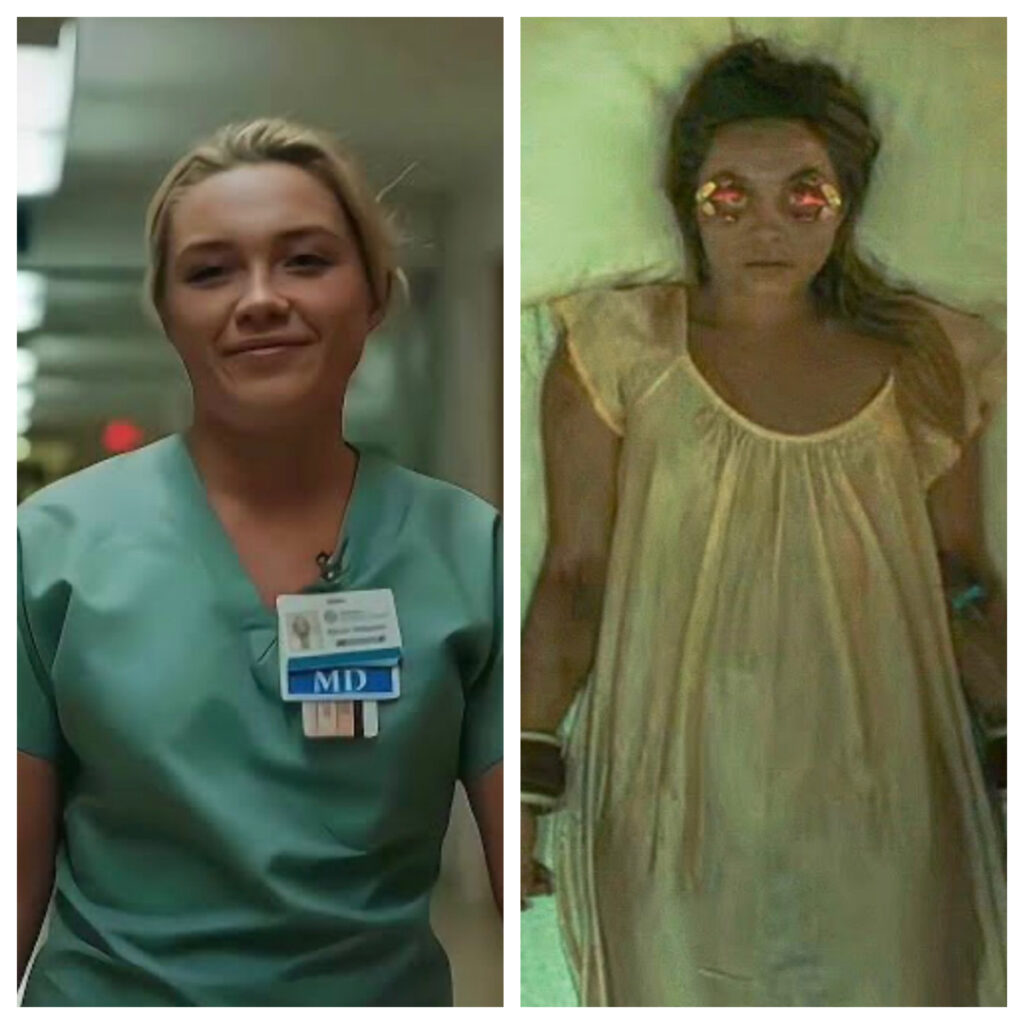

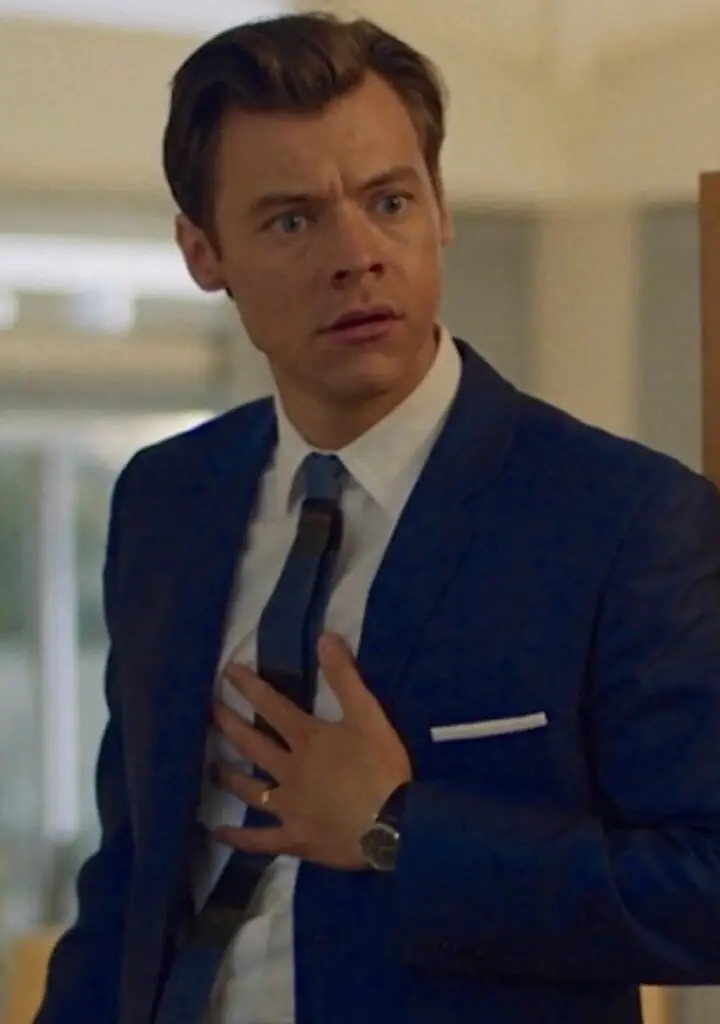
One of the most popular films in recent memory to touch upon the incel issue was in 2022, with Olivia Wilde’s Don’t Worry Darling. When the big reveal came and showed Jack (Harry Styles) was not a handsome, kind, successful, hard-working husband to Alice (Florence Pugh), but a low-effort, minimum-wage, misogynistic conspiracy theorist, I was taken aback. I admit, I fell for the façade, and I loved Jack and Alice’s relationship. He showed her unrelenting passion, adoration, and understanding, while providing at one of the top jobs in the country. Alice has a trendy home, glamorous friends, pristine wardrobe, and comfortable lifestyle filled with ballet lessons and fancy parties. She seems to have it all, and it seems like there’s no way it can be real. Alice’s world is seemingly set in a utopian version of the 1950’s, a time some call the “good ol’ days,” while some would consider this time period full of racial injustices, misogyny, and domestic violence.
Unfortunately for Alice, Jack is part of a perverse and destructive virtual simulation he has physically forced her to be a part of against her will. Jack has put her in a medically-induced coma, strapped her to a bed with special devices around her eyes, and trapped her in a shared virtual reality simulation that resembles the 1950’s. This is the Victory Project, and it is a cover story for the men involved to have an obscure job so the women will not ask questions about their whereabouts or new living situation. As Alice begins to question this new life and reality, she starts to see what she thinks are hallucinations that turn out to be memories of her real life.
In reality, Alice is a busy surgeon who works long hours while Jack stays unemployed and online, feeding into egotistical conspiracy garbage he finds in forums. Instead of working hard to provide for his wife, he takes the laziest possible approach and robs Alice of her autonomy entirely. He has taken her real-life purpose of saving people, and decided his wants and goals are more important, thus delegating her existence to the life of a vapid housewife in a 1950’s virtual reality world.
Jack thinks he has done the best thing for their marriage by creating this new reality, but it is a reality created without Alice’s consent. He feels he can justify it by only pleasuring her in the simulation (something he is not capable of in their real life) and by having a successful shared simulation life with her. The sad fact is, Jack is a scary incel loser who has his wife tired up watching a fake virtual reality life while he works odd jobs to pay for her torture. He goes as far as making himself British and changing his entire appearance like an avatar. To him, Alice’s life and making her own choices pales in comparison to his ego and not being “enough” for her just the way he is.
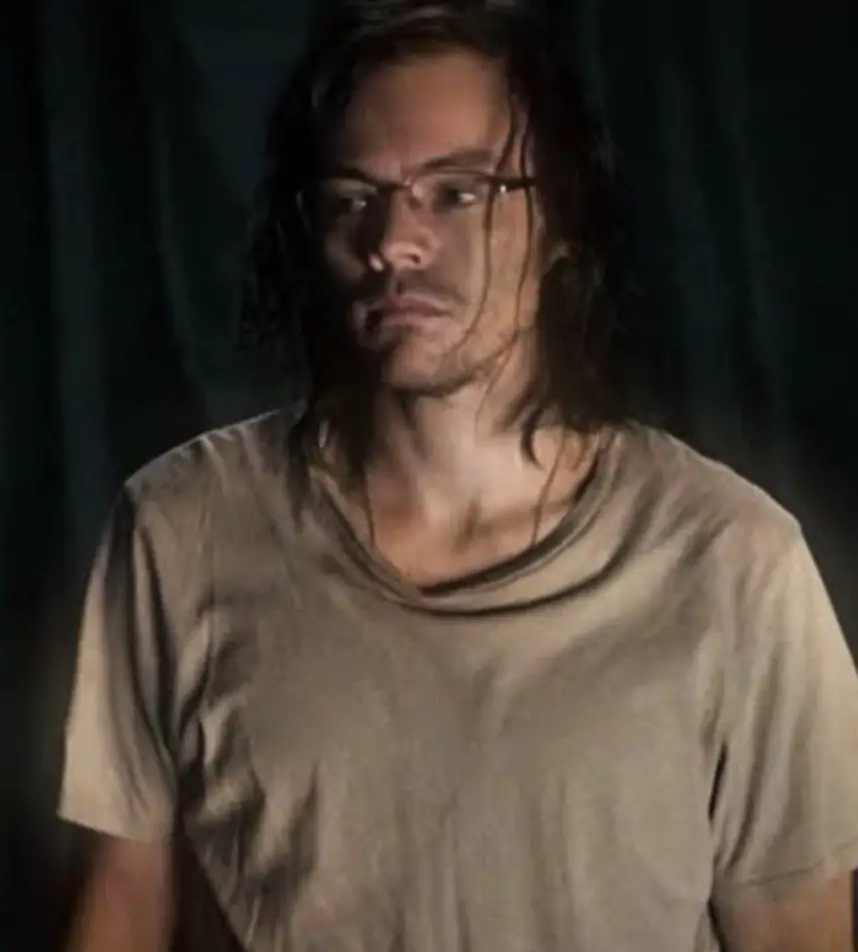
Interestingly enough, Don’t Worry Darling had a lot of sexist buzz surrounding the film. The entire script is about incel men being awful to women, and the press tour simply proved Wilde’s point. A lot of buzz surrounded Wilde separating from her partner, Jason Sudeikis and coupling up with the film’s male lead, Harry Styles. Wilde was met with constant criticism for the relationship and messy split with Sudeikis, and things escalated to Wilde being served custody paperwork for her young children while on stage promoting Don’t Worry Darling at Cinema Con. Wilde was criticized left and right for her decisions while making her first film, and it didn’t seem like the kind of attention a male filmmaker would receive. Life imitates art in this situation, and seems to be a recurring pattern in the industry.
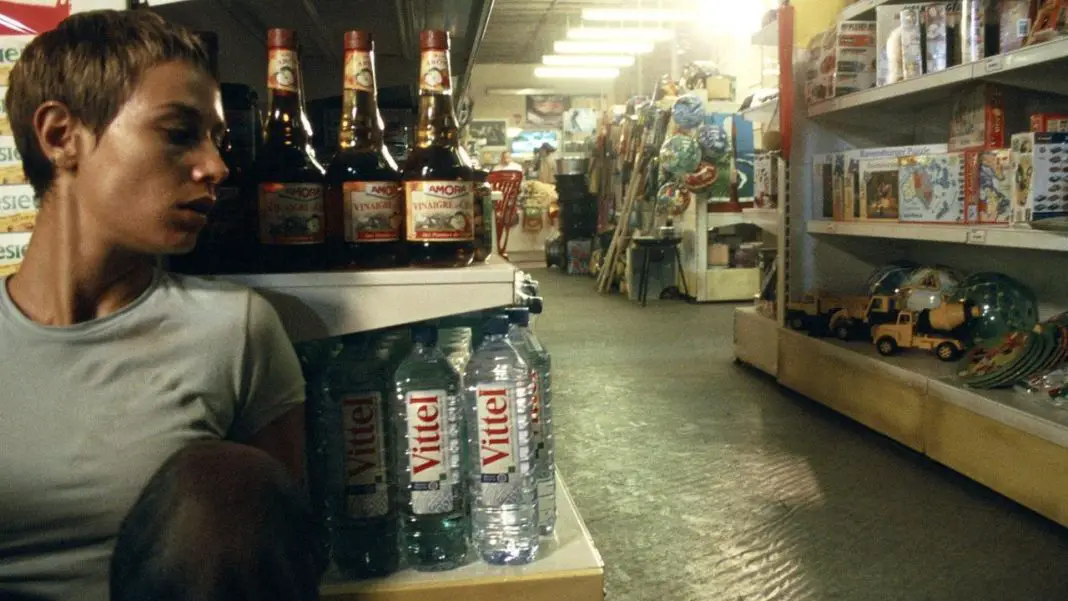
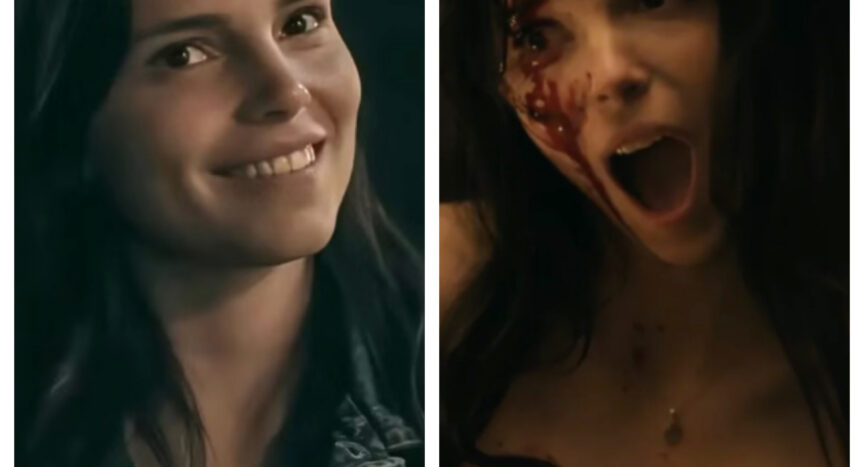
These thoughts circled my brain throughout the entire viewing of Obsession. When the credits rolled, I was exhausted, just as I was at the end of Don’t Worry Darling. Bear Bailey (Michael Johnston) is a character in the same lane as Jack. He is a Grade-A Loser full of self-loathing and uncertainty. He would quite literally rather die than possibly face rejection or accountability for his actions. He has a small friend group he works with in a music store, and he has fixated on his friend Nikki Freeman (Inde Navarrette) in particular. Bear’s personality is right in line with Jack’s; he feels the world owes him something just for being a “good” guy. Men like this believe they deserve love and attention, and they do not feel the need to earn it.
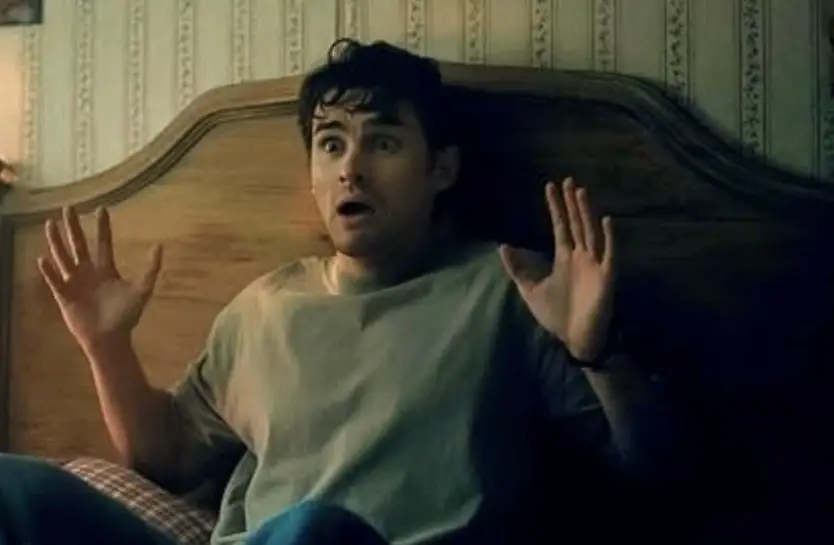
Bear rambles on to his friend Ian about Nikki all day every day and rehearses how to speak to her. He is close friends with Nikki and can express his interest in her at any time; he chooses not to out of laziness and fear. At one point in the beginning of the film, audiences find themselves increasingly frustrated at Bear’s lack of honesty when Nikki asks him directly to his face, “Do you like me? If you do, now is the time to tell me.” This is a moment he can turn from a lovesick schoolboy with a fantasy to a meaningful, honest conversation with Nikki, and a possible relationship. He backs out and responds lazily, “I think we’re good friends.” Bear prefers protecting his fragile ego over true romance and connection. Instead of buying Nikki a present that shows her understands her, he buys her a cheap, novelty One-Wish Willow toy, and better yet, uses the wish it provides for himself to force her to love him.
In the age of many men proudly proclaiming their sexist and downright horrifying views about their control over a woman’s body, most women cringed at Bear wishing for Nikki “to love him more than anything in the fucking world.” Would it be that wild to express your emotions and face possible rejection? This is part of life after all, isn’t it? For victim-mentality men like Bear and Jack it isn’t their fault life “set them up to fail.” They see women as obstacles standing in the way of their desires and goals in life and would prefer using weak tactics such as the force of the supernatural, or virtual reality to force these women to choose them. Society has become incredibly lazy with actual human connection, and most people want to take shortcuts to arrive at the reward. When the shortcut is removing a woman’s autonomy, we have a problem.
After finishing Obsession for the first time, I had an incredibly strong emotional reaction. I felt blown away by the selfishness of Bear’s actions. The entire point of a healthy loving relationship is choice. Love cannot truly exist without choice, and Bear is aware of this. He is cowardly and insecure enough to ignore real Nikki when she cries out to Bear eventually to save her from “Freaky Nikki.” The only thing Bear can say at this moment is, “what is so bad about being with me?” I fear this victim mentality in young males is becoming loud and clear, and women have had enough of it.
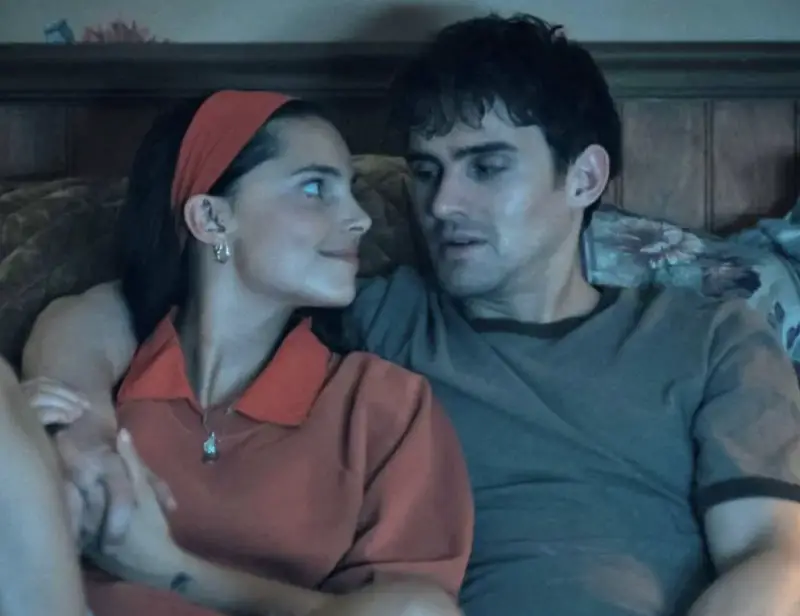
I love that both Olivia Wilde and Curry Barker addressed the issues women are facing today from toxic male loneliness. We are given two very different and extreme versions of what someone with low self-esteem is willing to do to get their way. When Nikki initially falls under the trance of the One Wish Willow, Bear is willing to dismiss that this is clearly not the Nikki he knows, as long as she doesn’t do “weird stuff” to embarrass him publicly. Bear doesn’t mind having sex with Nikki, even though her facial expressions do not match her words and she clearly is not present with him. Jack doesn’t mind virtually pleasuring his wife to feel like a man, even though he has her strapped to a bed and unconscious in the real world. What matters to these two very weak men the most is getting what they think the world owes them, even if that means destroying the women they claim to love.
Nikki never owed Bear an explanation for anything in her life. He never had the balls to tell her how he felt, and it isn’t up to her to hold his hand and do it for him. In “Don’t Worry Darling” Alice may have been exhausted and burned out at her job, but Jack had no right deciding to take it from her. Women face the horror of men telling them they own their bodies, they know what is best for them, and how to think and feel on a daily basis. Films like Obsession and Don’t Worry Darling take a hyperbolic approach in the horror/thriller genre to give audiences a better idea of what it feels like to lose control of yourself and your choices. Horror is brave at dissecting our trauma and getting viewers shocked enough to wonder how they would feel if they lost everything.
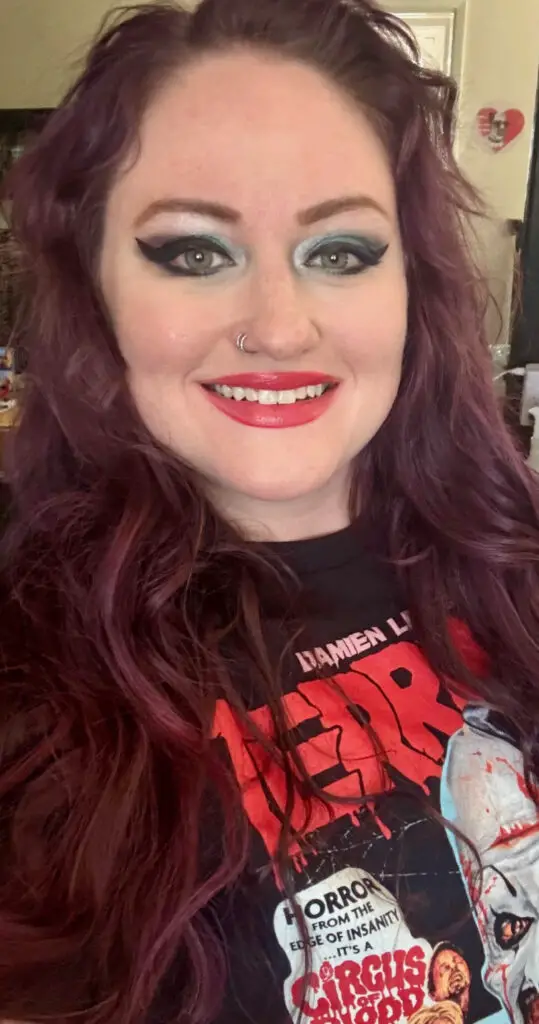
Meet Kara!
Kara Gray Ramirez is a proud wife and mama, as well as a writer and horror fanatic.
Since falling in love with All Hallows Eve in 2013, Kara has built a substantial Art the Clown collection. In 2025 and 2026 Kara wrote for Dread Central.
She previously worked in the animal industry for 7 years as well, and loves cats, as well as playing bass and singing.
You can follow her on Instagram at @Karuh13 and check out her Letterboxd profile here.