In many ways, Buffy created modern genre television. It originated a template that has become the standard in the twenty years since the show premiered. A season centering on a singular storyline, breaking for smaller standalone episodes—the term Big Bad is now an industry term referring to the main antagonist for each season, and that’s also something that Buffy originated.
This was a show that is still being discussed today because it constantly redefined itself. It was always making radical changes to its own status quo, allowing its characters to go on huge, harrowing journeys on both a spiritual and literal level. But it did so much more than that. It constantly challenged the idea of what was possible on television. It explored what a show was “supposed” to do and then regularly did the opposite thing.
There are so many moments that redefined TV at the time. On occasion, entire episodes would go above and beyond the expectations of the time. Whether it be challenging conventions, standards, or the restrictions of the format itself, Buffy never let itself get forced into a box.
With that in mind, we’ve compiled ten episodes that changed television in some form or another. Episodes that were radically different from what they were expected to be and in their own ways, paved the way for the TV renaissance we’re currently thriving in at the moment.
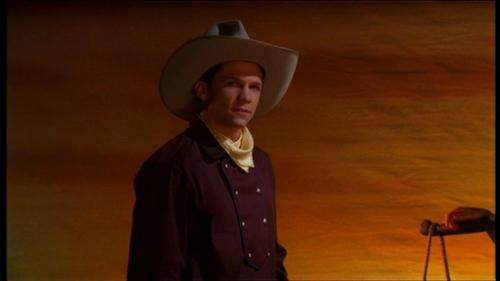
“The Zeppo”
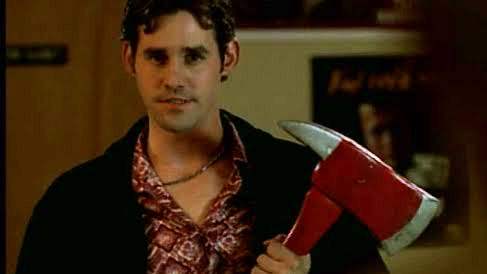
“The Zeppo” is not the most obvious choice on the list. But it definitely deserves its spot by doing something amazing and hilarious with traditional TV structure. Typically, you’ve got the A plot—the main plot—and the B plot—a lesser sub-plot centered on a specific character. “The Zeppo” totally reverses that. There’s a huge apocalypse on the rise and everything is life-or-death… and we don’t see any of it. The main plot hinges on Xander feeling like he doesn’t really have a place in the group, while the apocalyptic threat plays out in the background.
This is great, because doing this allowed the show to poke fun at its own serious, operatic nature. It’s so overly emotional, it feels like the end of the world, but it’s not. Of course it’s not, this sort of thing happens all the time. The threat Xander faces is technically much smaller, but it feels so much bigger. That’s the strength of the episode. There’s never been a better episode for Xander as a character.

TV shows are expected to have emotionally impactful season finales. They want to leave you waiting for it to return. “Becoming” redefined how devastating a season finale could be, and it was only the second season. Everyone was hinging on whether or not Buffy was actually going to kill Angel, they were trying to prepare themselves that. And it turned out to be so much worse. Not only did she have to kill Angel, she had to do it just after the curse had been lifted and his soul had been returned.
It was more devastating than anyone expected and it was a moment that happened after Buffy discovered a friend’s dead body and got blamed for the murder, after she got kicked out of her own house and after she got expelled from school. In one episode she lost everything. It ended with her getting on a bus and heading out of town and taught the rest of us that TV shows could take incredible risks when they really wanted to.
 “Who Are You”
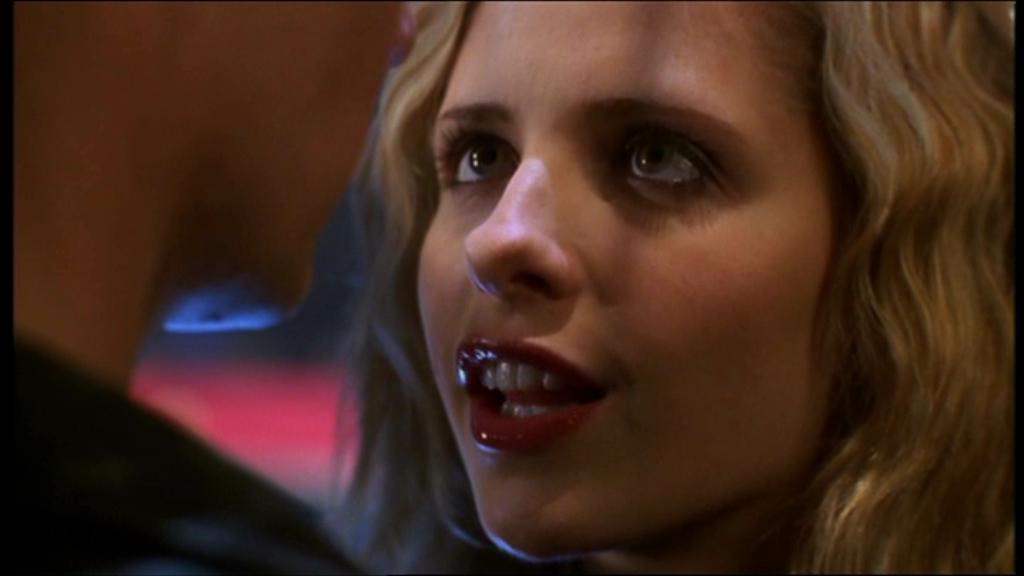
Other shows had done “The One Where They Switch Bodies.” It was kind of a trope. But it was part of the brilliance of Buffy to take an existing trope and turn it into something truly poignant. Faith’s whole arc hinged on her jealousy toward Buffy, toward being marked as the “other” slayer. Taking over Buffy’s body allowed her to take over Buffy’s life.
More than that, it marked what great TV acting could really do. Sarah Michelle Gellar and Eliza Dushku both did an amazing job playing the other. Whedon was brilliant at introducing different versions of characters so that an actor could play the way another character perceived them. Much of “Who Are You” is Gellar playing Faith playing Buffy and it works stunningly well.
“Passion”
When Angel went bad it was shocking, but it was never a plot that hadn’t been done on TV before. It was the classic “good guy gone bad” storyline, even if it resonated on a metaphorical level. By this point in the season, there was still hope that Buffy could get Angel back, that he could be turned good and everything would be okay. Much of this episode was about furthering that idea. Angel had to kill a main cast member for us to truly realize he was bad. This episode raised the stakes in a monumental way and raised the bar for all genre TV to follow.
 “Innocence”
“Innocence” upped the stakes by upping the show that upped the stakes. It changed the show that changed TV. In many ways, Buffy truly began in earnest with the two parter that is “Surprise” and “Innocence.” The monster of the week format died here. It grew up into something bigger and the “high school is hell” metaphor was cemented. It was the first dramatic change to the format and the general structure. In some ways, it’s still the biggest.
 “The Gift”
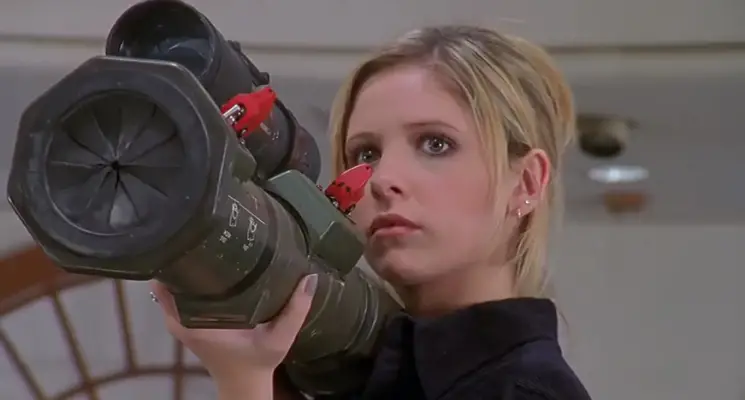
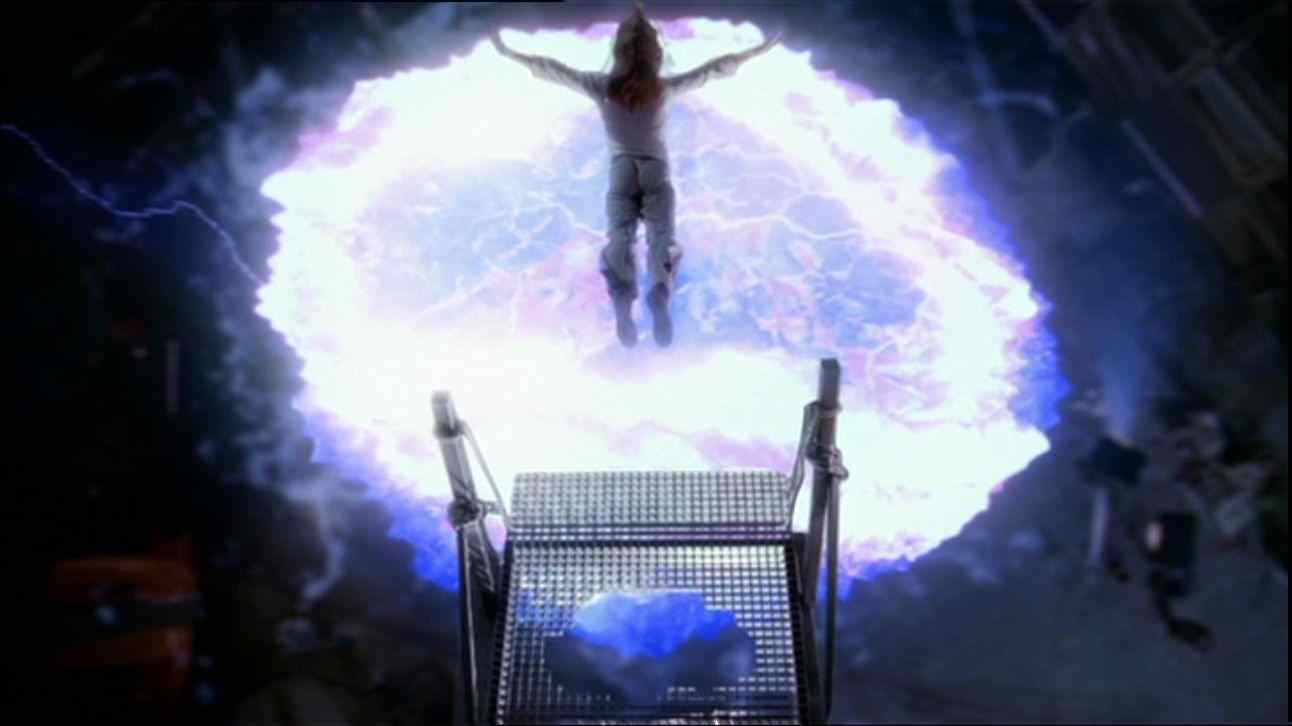
This episode showed us that a show wasn’t afraid to kill its lead. Yes, it was coming back, but they weren’t one hundred percent certain that they were even going to land another network. This was the end of Buffy’s time on the WB and it went out with a bang. Initially, this was even designed to be the series finale. They had the balls to straight-up kill the title character in the finale episode, but ultimately realized there was more to say, leading Buffy down a depression arc that wound up being important in its own right.
 “Restless”
Buffy garnered some acclaim from the very first season for its memorable dream sequences. They were more memorable, meaningful and less hokey than any other dream sequences on TV at the time. At the end of the fourth season, they had the bold decision to do an entire episode devoted to dream sequences. It’s stream-of-conscious, it’s completely open to interpretation. In fact, there are entire books devoted to examine this one episode. It also plays with traditional TV structure. The four acts are broken up among the four main characters in a way that’s seamless and innovative.
 “Hush”
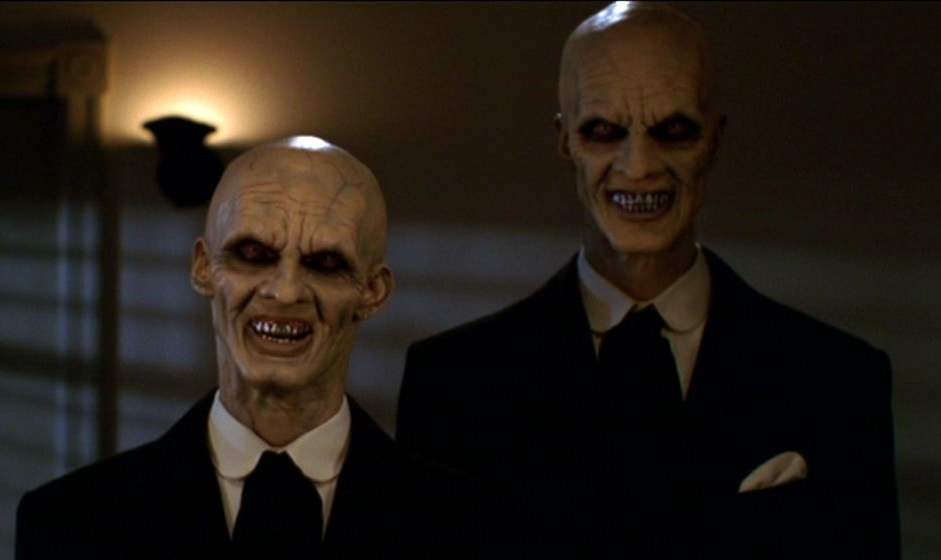
“Hush” is easily one of the most acclaimed episodes, if not the most acclaimed. It took the criticism that Buffy was nothing more than witty dialogue and spun the whole thing on its head. This is an episode that is almost entirely silent through the middle two acts. It took something that had always been billed as a horror show and truly made it scary. Even now, shows are hesitant to do an episode as radically different as this, to expect people to tune in when the cast isn’t speaking for the bulk of the episode. It’s incredibly risky, but like virtually all of Buffy’s risky moves, it paid off in the most memorable of ways.
 “Once More With Feeling”
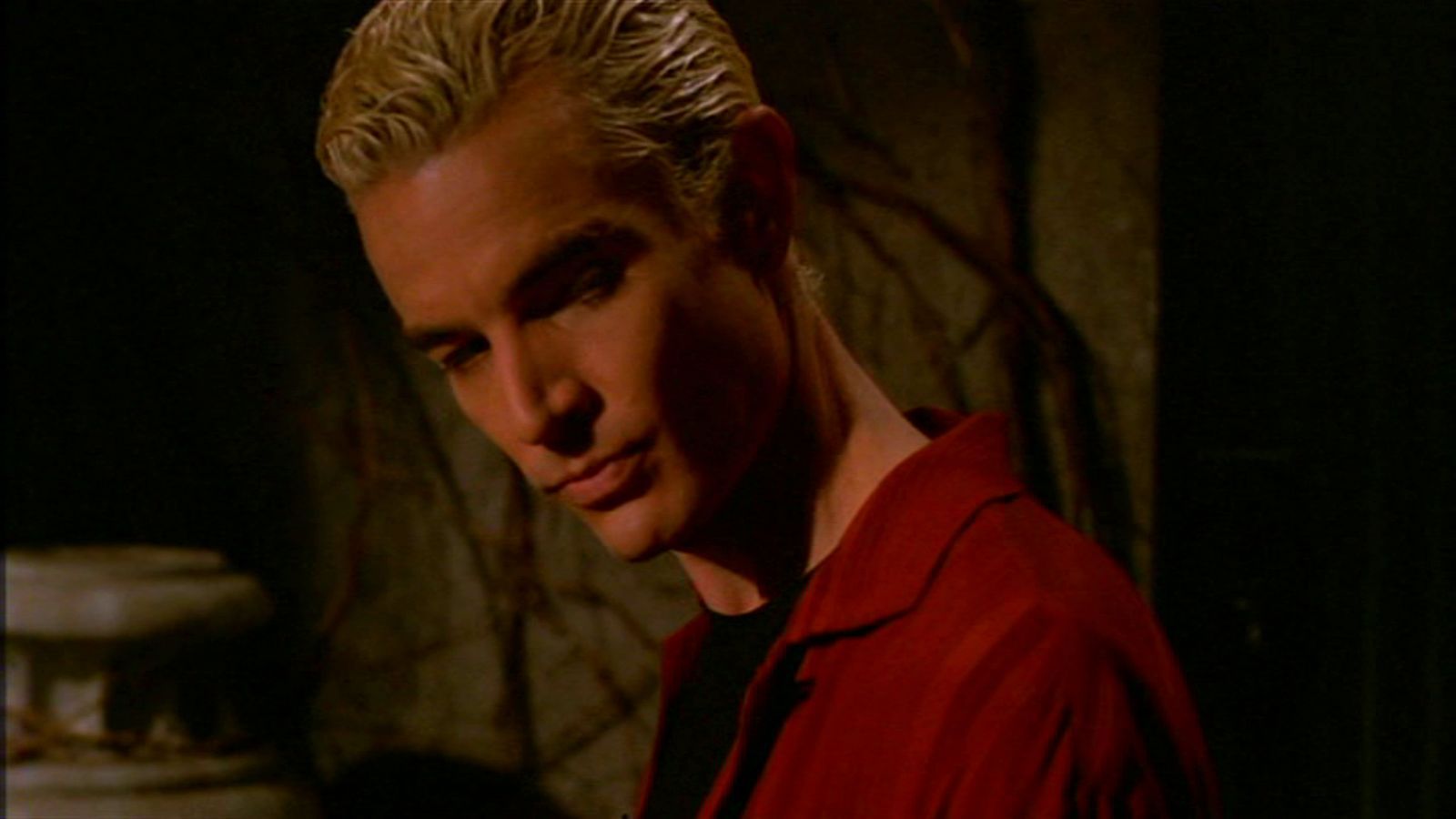
Again, other shows had done musical episodes. Most of them were terrible. Musical TV episodes were kind of a joke, like clip shows. When Whedon announced it was going to happen, even the cast were nervous. But he took a cast that was largely untrained—including himself, as Whedon was not a musician of any kind—and created a truly earnest and memorable musical. He created something legendary. But nobody thought it was going to work. This paved the way for shows like Glee. Even The Flash is doing a musical episode this season.
 “The Body”
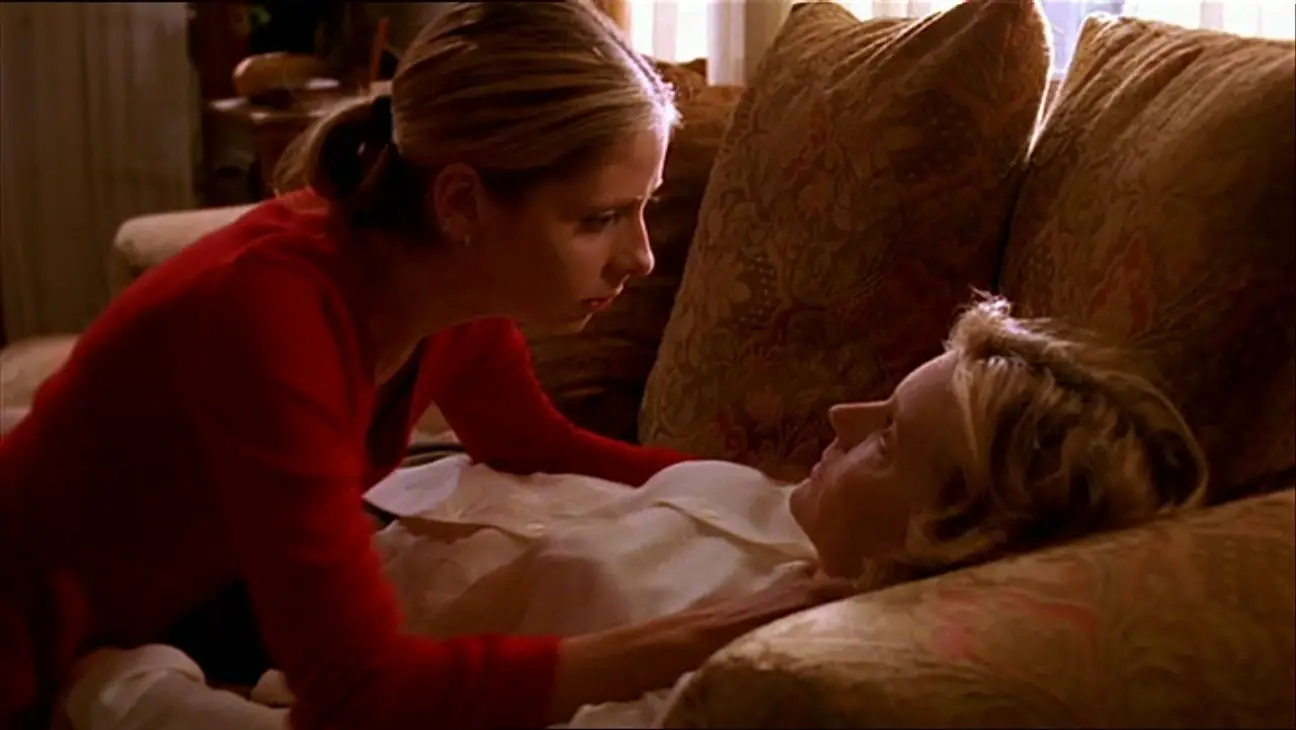
In this episode, Buffy entirely inverted itself, from the ground up. It wasn’t about metaphor anymore. It was about Buffy losing her mother in the most uncomfortable, realistic of ways. Joyce suffered an aneurysm and that was that. Buffy walks in to find her mother’s dead body on the couch and the entire episode is devoted to reacting to this situation. It’s the most brutally honest depiction of death in the history of television. It also paved the way for exceptionally well shot shows like Breaking Bad, Mad Men and Hannibal. This episode was a film. It just happened to be broadcast on TV. And that did so much to break down the wall between movies and TV, which was still very much in place at the time.